July 11, 2026
Home efficiency is no longer just about sealing windows, choosing efficient appliances, or adjusting the thermostat before leaving the house. Many homeowners are also thinking about how their homes produce, use, and manage electricity every day. As utility costs fluctuate and household energy needs grow, residential solar panels offer a practical way to support a more efficient living environment.
Modern homes rely on electricity for lighting, HVAC systems, kitchen appliances, laundry equipment, home offices, security systems, and electric vehicles. When electricity demands increase, homeowners often look for improvements that offer both immediate and long-term value.
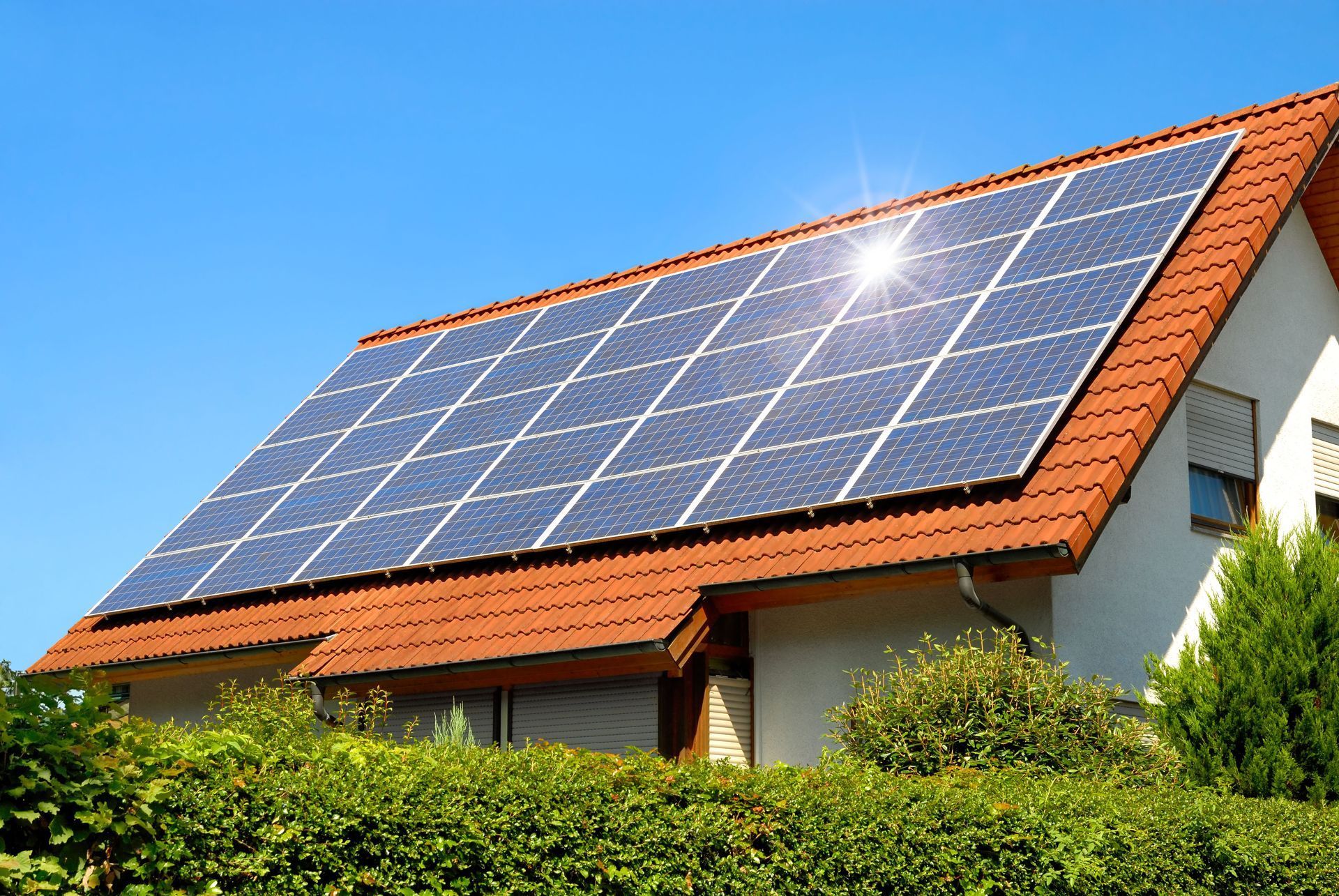
Residential solar panels can help households take a more active role in energy management. Instead of relying completely on electricity from the grid, homeowners can produce a portion of their own power directly from sunlight. This can make the home feel more efficient, prepared, and aligned with everyday life.
Improving Daily Energy Control
One of the most meaningful benefits of residential solar panels is the ability to gain more control over household energy use. Solar energy helps shift part of that responsibility back to the property itself.
Air conditioning, heating, laundry, cooking, and remote work can all increase electricity use throughout the day. When solar panels are producing energy, the home may rely less on grid electricity during daylight hours.
Residential solar panels also make energy use more visible. Many systems include monitoring tools that show how much energy the system is producing and how much electricity the home is using. This information can help homeowners identify patterns, reduce waste, and make smarter choices about major appliances.
Reducing Long-Term Utility Costs
Energy efficiency often begins with reducing waste, but it can also involve reducing dependence on purchased electricity. Residential solar panels can help lower monthly electric bills by producing power that the home can use directly. Savings depend on roof exposure, system size, household usage, local utility rates, and available incentives.
For many homeowners, solar is viewed as a long-term investment rather than a quick fix. The upfront cost can be significant, but the system may provide value over many years through reduced utility expenses. As electricity rates change, producing some power at home can help create more predictable energy planning.
According to HomeAdvisor, a typical home in the United States needs between 15 and 30 solar panels when 400-watt panels are used. This range shows why professional system design matters. A home’s electrical needs, roof space, sunlight exposure, and efficiency goals all influence how many panels may be appropriate.
Supporting Heating and Cooling Efficiency
Heating and cooling often represent a major part of household energy use. Even when HVAC equipment is efficient, it still requires electricity to operate fans, controls, compressors, and related components. Residential solar panels can support daily home efficiency by helping offset some of this electrical demand.
During sunny months, solar production may be strong at the same time air conditioning use increases. This timing can be helpful because the system may produce electricity when the home is working harder to stay comfortable. While solar panels do not replace HVAC maintenance or insulation improvements, they can work alongside those upgrades.
Homeowners can get the most value when solar energy is part of a broader efficiency plan. Sealing air leaks, replacing dirty filters, scheduling HVAC maintenance, using programmable thermostats, and improving insulation can all reduce wasted energy. When the home needs less electricity overall, residential solar panels may cover a greater share of daily demand.
Increasing Everyday Home Reliability
Energy efficiency is not only about cost savings. It is also about making the home function more smoothly and predictably. Residential solar panels can support a more reliable energy strategy, especially when paired with battery storage or other backup solutions. While standard grid-tied systems usually shut down during outages for safety reasons, properly designed systems with storage can help keep certain circuits running.
This can be valuable for homes that depend on electricity for medical equipment, sump pumps, refrigeration, internet service, home offices, security systems, or other daily essentials. Even without battery storage, solar energy can still help reduce strain on household energy planning during normal operation.
Reliability also comes from knowing that the system is designed for the home’s actual needs. A professional assessment can evaluate roof condition, panel placement, electrical capacity, utility requirements, and future goals. This helps homeowners avoid systems that may not deliver the expected efficiency benefits.
Improving Property Value and Appeal
Residential solar panels may make a home more appealing to buyers who care about energy costs, sustainability, and modern electrical features. While value can vary by market, solar equipment can be a noticeable advantage when it is installed correctly and supported by clear documentation.
Buyers may appreciate a home that already has an energy-producing system in place. They may also value lower projected utility costs, especially in areas where electricity rates are high or sunny conditions make solar production practical. For homeowners who are not planning to sell soon, the system can still support daily efficiency while they continue living in the home.
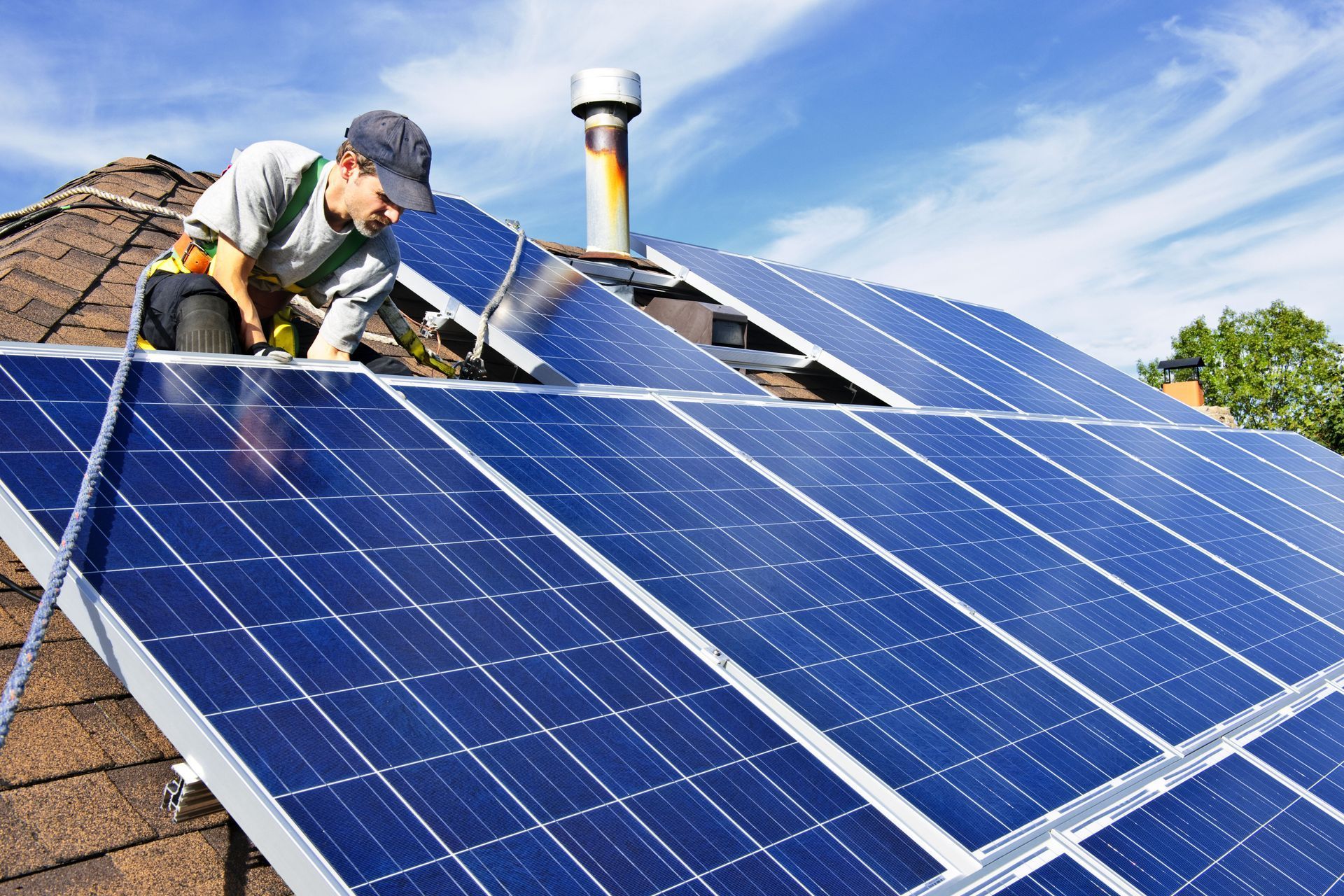
A clean installation can also support curb appeal. Panel layout, roof placement, wiring, and equipment location all affect how the finished system looks and performs. Qualified professionals can help ensure that residential solar panels are installed with both function and appearance in mind.
Supporting More Sustainable Household Habits
Efficiency and sustainability often work together. When a home uses energy more responsibly, it can reduce unnecessary waste and support better long-term habits. Residential solar panels help homeowners use a renewable energy source that is available directly from their property.
This can encourage broader awareness of energy use. Once homeowners can see how much power their system produces, they may become more intentional about running appliances, adjusting thermostat settings, upgrading lighting, or replacing inefficient equipment. Solar can become part of a larger effort to make the home more efficient and practical.
Simple changes, such as using energy-efficient bulbs, washing full laundry loads, unplugging unused devices, and maintaining major systems, can complement solar production. When these habits work together, residential solar panels can help the home operate more efficiently throughout the year.
Planning for Future Energy Needs
Household energy needs are changing. More people work from home, use smart technology, install electric appliances, and consider electric vehicles. These changes can increase electricity demand, which makes long-term energy planning more important. Residential solar panels can help prepare homes for a future where electricity plays an even larger role in everyday comfort and convenience.
A well-planned solar system should account for both current and future needs. Homeowners may want to consider upcoming appliance replacements, home additions, EV charging, battery storage, or other electrical upgrades. Planning can help the system remain useful as the household changes.
Professional guidance is important because solar design is not one-size-fits-all. Roof angle, shade, local climate, utility policies, panel type, electrical service, and household usage all affect performance. With the right design and installation, residential solar panels can support everyday efficiency while helping homeowners plan for what comes next.
Residential solar panels offer more than a way to generate electricity. They can help homeowners reduce energy waste, manage utility costs, support comfort, improve reliability, and prepare for future electrical needs. When paired with smart energy habits and professional installation, solar can become a practical part of a more efficient home. Call United Solar Electric today to schedule your solar or electrical service.