May 7, 2026
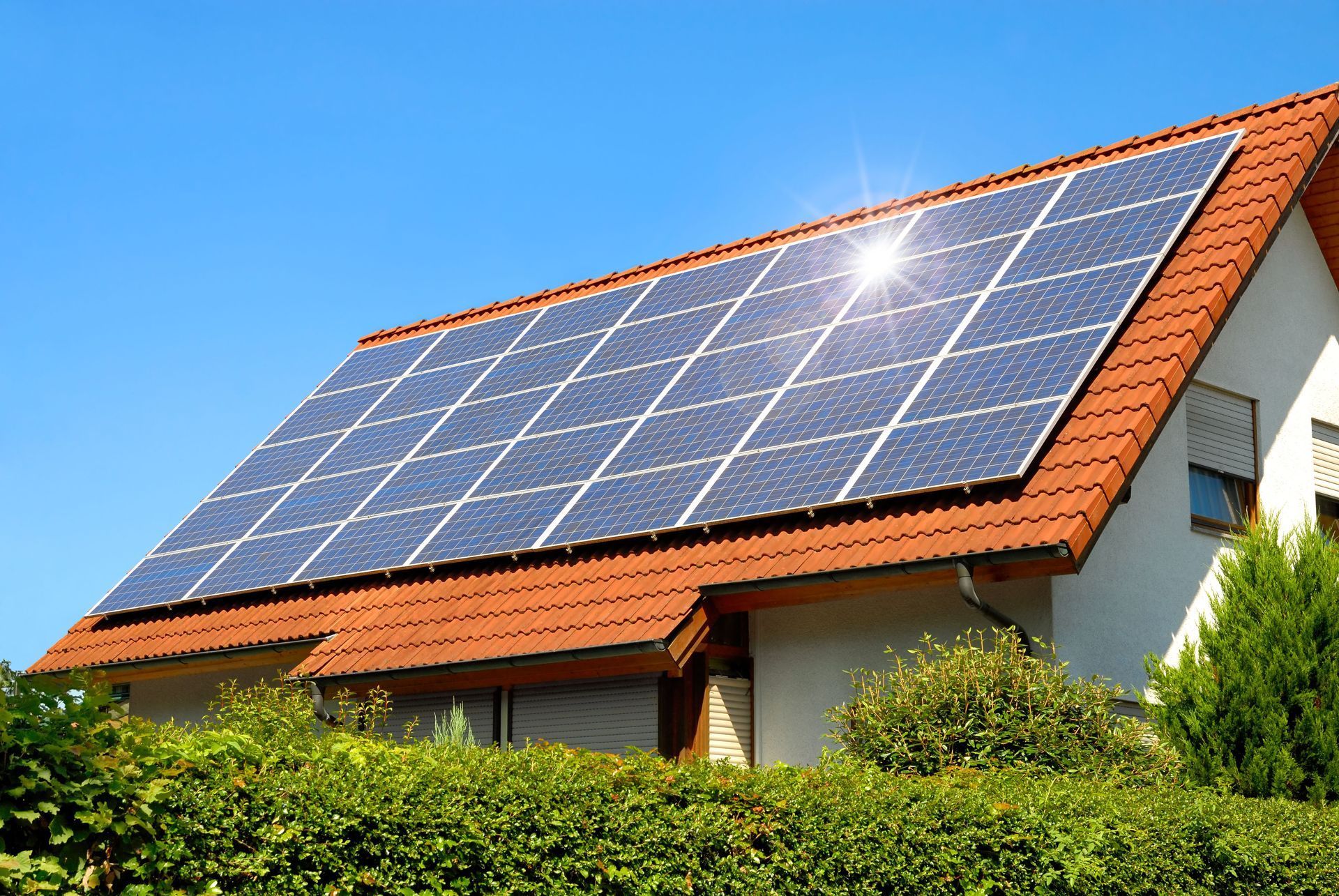
Solar energy has moved from a niche upgrade to a mainstream feature that directly influences how residential properties are valued and perceived. Homeowners are increasingly viewing solar installations as a long-term improvement that supports energy efficiency, reduces utility dependence, and enhances market appeal. As demand grows across California and beyond, many households now actively choose to buy solar panels as part of a broader home investment strategy. This shift is shaping how buyers evaluate homes and how appraisers assess long-term value. The result is a clear connection between clean energy systems and stronger property positioning.
1. Exploring Solar Technology And Installation Value
Solar systems function by converting sunlight into usable electricity through photovoltaic cells, which are typically built into monocrystalline, polycrystalline, or thin-film panels. Monocrystalline systems are widely used in residential applications due to their high efficiency and space-saving design. When homeowners decide to buy solar panels, they are essentially investing in a system that transforms unused roof space into a productive energy asset. This conversion process not only powers the home but also contributes to long-term financial and structural value.
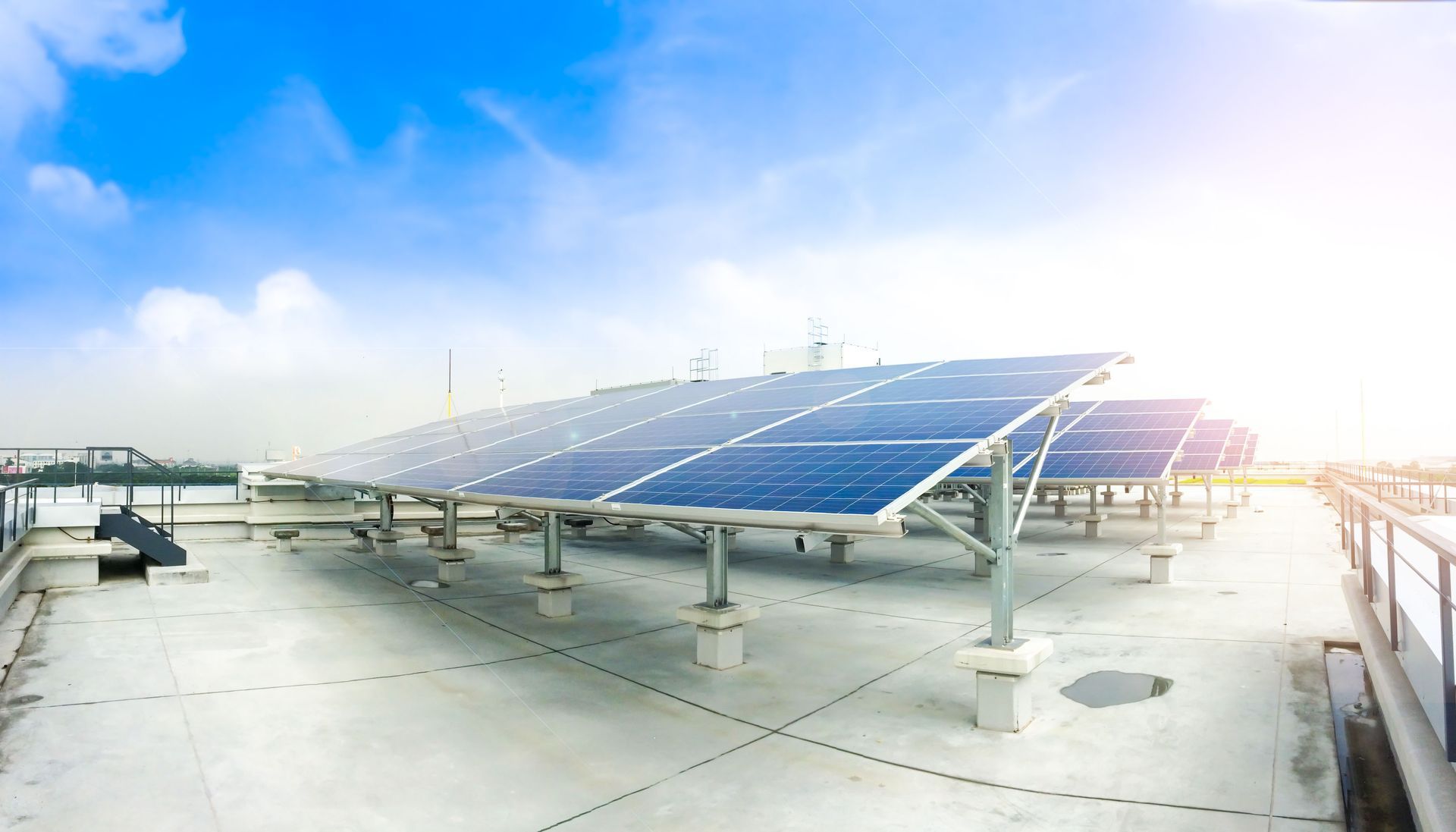
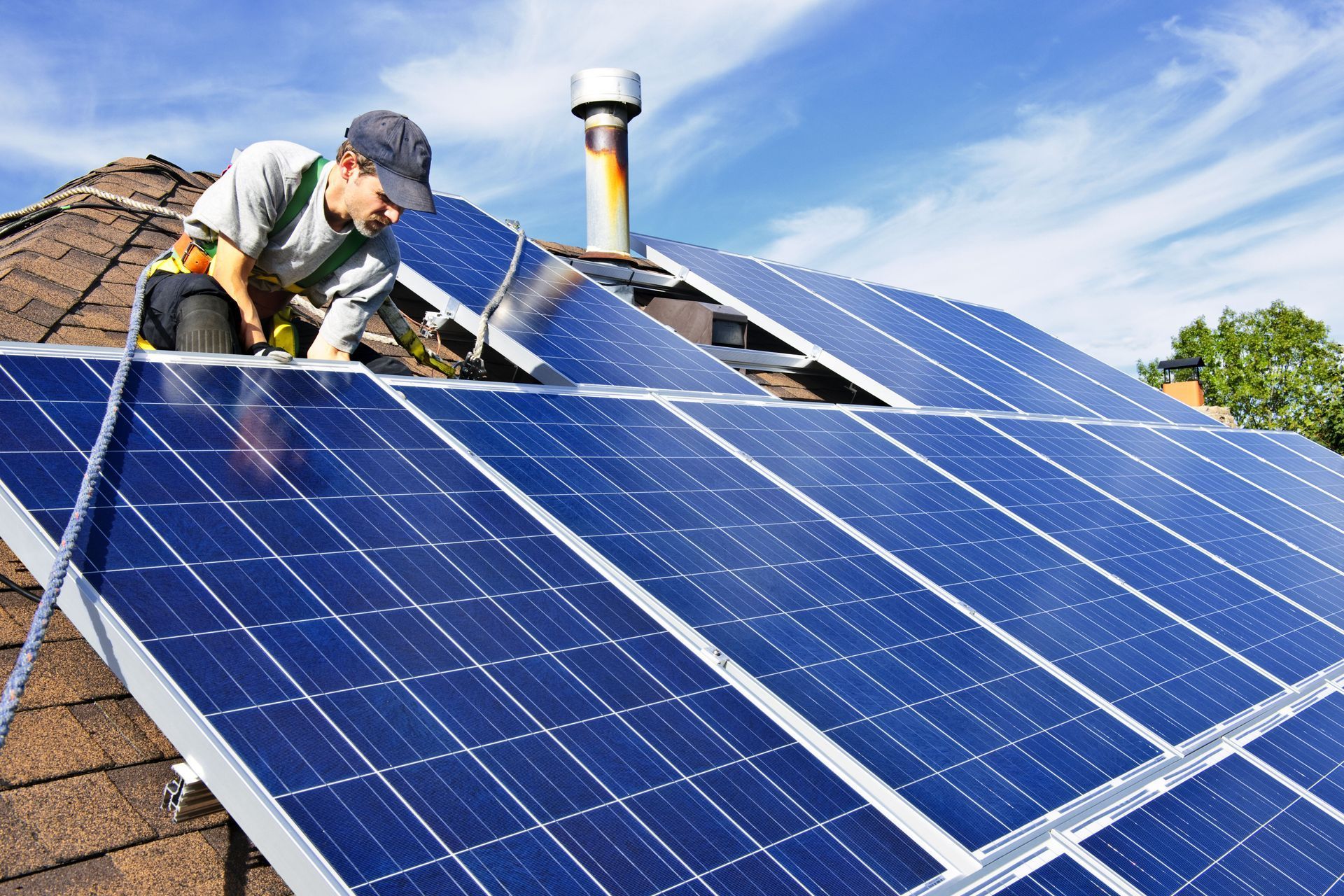
The installation process includes system design, panel placement, inverter configuration, and integration with either grid-tied or off-grid setups. We provide full residential solar panel installation, system design, and solar power system installation tailored to each property’s layout and energy needs. Many homeowners also choose to include solar panels as part of a bundled upgrade that includes battery storage or Level 2 car charging systems for electric vehicles. These integrated systems help create a more efficient and adaptable home energy structure.
2. Assessing How Solar Increases Home Resale Appeal
Homes equipped with solar energy systems often stand out in competitive real estate markets. Buyers increasingly associate solar installations with lower utility costs and improved energy efficiency, which can positively influence purchasing decisions. In many cases, properties with solar are perceived as more modern and forward-thinking. This perception alone can elevate interest and shorten time on market for well-positioned homes. It is also common for buyers to include solar panels expectations into their home search criteria rather than viewing them as optional upgrades.
Solar-equipped homes often attract more attention during listing presentations because energy performance is becoming a key decision factor. Real estate professionals frequently highlight installed systems as value-added features, especially when paired with battery backup or EV charging capabilities. When buyers decide to buy solar panels for their own homes, they are often motivated by the desire to replicate the long-term savings they see in existing solar-equipped properties.
Appraisers also consider energy systems when evaluating property value, although the level of impact may vary depending on documentation and system quality. Homes with well-documented installations, warranties, and performance data tend to perform better during valuation. In this context, homeowners who install solar panels are effectively enhancing both functional livability and market appeal simultaneously.
3. Evaluating Financial Incentives And Tax Benefits
Financial incentives play a major role in making solar adoption more accessible and attractive. One of the most impactful benefits is the federal solar investment tax credit. According to HomeAdvisor, homeowners may claim a tax credit worth up to 30% of the eligible solar system and installation costs for systems installed during tax years 2022 through 2032. This incentive significantly reduces upfront investment requirements and improves long-term return potential.
When homeowners decide to buy solar panels, this tax structure often becomes a key motivator in timing their installation. Additional state and utility-based incentives can further reduce overall project costs depending on location. These programs, combined with long-term energy savings, create a financial framework that supports sustainable home improvement decisions.
Financing options also help make solar adoption more flexible. Solar loans, leases, and power purchase agreements allow homeowners to install systems without large initial expenditures. We support residential solar panel installation and full system design services that align with these financial models. Many households choose to purchase solar panels when they realize that monthly savings can offset financing costs over time, making the transition more manageable.
4. Understanding Long-Term Energy Savings And Stability
One of the most compelling advantages of solar energy is long-term cost stability. Traditional utility pricing can fluctuate over time, but solar systems provide a more predictable energy output once installed. This stability helps homeowners plan more effectively and reduces exposure to rising electricity costs. As a result, more households choose to buy solar panels as a safeguard against long-term energy uncertainty.
Solar systems generate electricity directly from sunlight, reducing reliance on grid-supplied power. Over time, this can significantly reduce monthly utility expenses, especially in regions with high energy rates. Many systems reach a break-even point within several years, after which the generated electricity contributes directly to household savings. Homeowners who buy solar panels often view this as a long-term financial strategy rather than a short-term upgrade.
Battery storage systems further enhance energy independence by storing excess power for later use. We install on-grid and off-grid battery systems that support uninterrupted energy availability during peak demand or outages. When combined with solar panel installations, these systems provide a more resilient home energy structure. Choosing to purchase solar panels alongside storage solutions can significantly improve overall energy control and reliability.
5. Analyzing Buyer Demand And Market Perception
Buyer preferences have shifted significantly toward energy-efficient homes, especially in markets where utility costs are high. Solar installations are increasingly viewed as a desirable feature rather than a niche upgrade. This shift has contributed to stronger demand for homes equipped with renewable energy systems. As awareness grows, more buyers actively look to purchase solar panels when purchasing or upgrading properties.
Sustainability also plays a growing role in buyer decision-making. Many households prioritize homes that align with environmental goals, and solar systems serve as a visible indicator of reduced energy consumption. This alignment between values and property features can strengthen buyer interest and perceived home quality. In competitive markets, listings that include solar often generate more engagement, particularly from buyers planning to buy solar panels in the near future.
6. Maximizing System Performance And Service Life
Solar systems are designed for durability, often operating effectively for decades with minimal maintenance. High-quality manufacturers like Maxeon, with decades of experience in solar module production, offer systems backed by long-term performance warranties. Their solar modules come with an industry-leading 40-year bumper-to-bumper warranty, providing extensive coverage for long-term operation. Homeowners who purchase solar panels with strong warranty support benefit from extended system confidence and performance assurance.
Ongoing system care is also important for maintaining efficiency. Services such as panel cleaning, system inspections, and performance monitoring help ensure consistent energy output over time. We provide total system servicing, cleaning, and battery upgrades to support long-term functionality. Many homeowners choose to purchase solar panels as part of a broader upgrade that includes maintenance planning and system optimization.
7. Leveraging Professional Solar Services In Brentwood, CA
Professional installation and system design play a critical role in maximizing solar performance and long-term value. We provide residential solar panel installation, solar battery installation, main panel upgrades, and Level 2 car charger integration for homes across Brentwood, CA and surrounding areas. Each project is designed to align with household energy usage patterns and long-term efficiency goals. Homeowners who purchase solar panels through structured installation services benefit from systems tailored specifically to their property layout and energy needs.
We also offer on-grid and off-grid battery systems, solar system servicing, and complete solar power system design. These services ensure that installations remain efficient and adaptable over time. Many households choose to buy solar panels alongside battery storage and EV charging solutions to create a fully integrated home energy system. Free, same-day estimates and available military and first responder discounts also make the transition more accessible for qualifying homeowners.
Solar energy has become a defining feature in modern residential property value. It influences how homes are perceived, how quickly they sell, and how efficiently they operate over time. For homeowners ready to improve long-term energy performance and property appeal, working with United Solar Electric provides a clear path toward a fully designed and professionally installed solar solution built for lasting impact.